News
The Longer We Are Awake During the Day, the Higher Our Heart Rate Throughout the Night
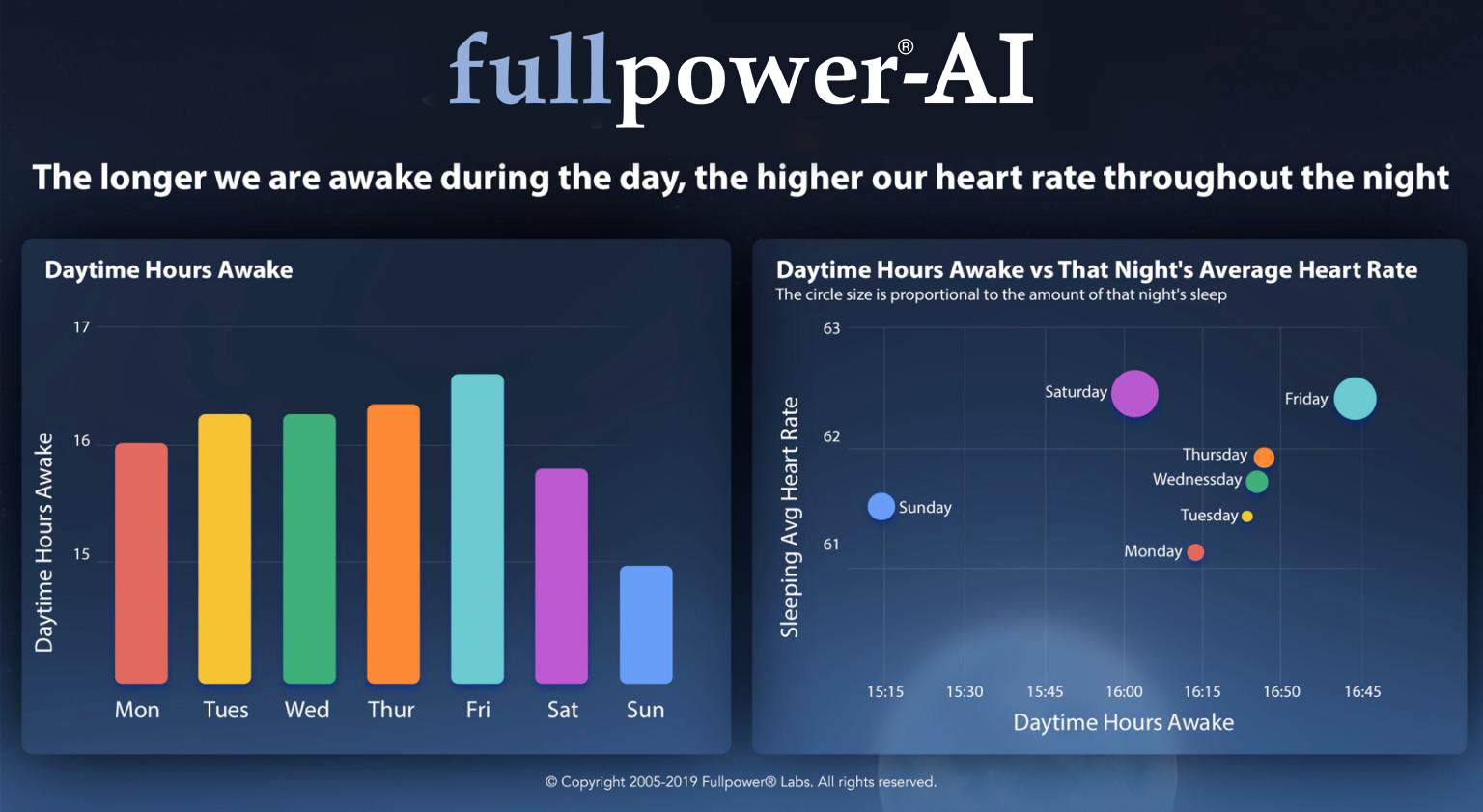
Sleeptracker-AI data shows that longer sleep duration does not reliably predict lower nocturnal heart rate. The relationship between sleep length and cardiovascular recovery is more complex.
Weekly patterns in the data illustrate this clearly. Fridays accumulate the most waking hours on average — and Friday nights record correspondingly elevated nocturnal heart rates. Saturday mornings show longer sleep durations as users sleep in, yet heart rates remain elevated rather than recovering. Longer sleep on Saturday is not producing lower heart rate; if anything, the two are moving together.
Two factors likely contribute. First, extended wakefulness increases REM sleep pressure, and REM is associated with elevated heart rate relative to deep sleep — so a REM-heavy recovery night will show higher average nocturnal heart rate even as it delivers cognitive restoration. Second, Friday and Saturday night lifestyle factors — alcohol consumption and larger, later meals — independently elevate nocturnal heart rate regardless of sleep duration.
The practical implication: nocturnal heart rate is a more nuanced recovery metric than sleep duration alone, and interpreting it requires accounting for both sleep architecture and pre-sleep behavior.

About Fullpower-AI®
Our mission is to make advanced AI biosensing universally accessible, empowering better sleep, Remote Patient Monitoring (RPM), and healthspan through real-time, science-validated intelligence.